In the world of industrial shipping, words matter. Most people use the terms “crate” and “box” to mean the same thing, but in a warehouse or on a shipping dock, that mix-up can be expensive. If you ask for a “box” when an open-slat crate (often referred to as a cage) would do the trick, you are essentially throwing money away on extra wood and higher freight costs. Conversely, asking for a crate when you need the full enclosure of a box might result in damaged goods.
Picking the right container is about more than just finding something that fits. It is about balancing the weight of the package with the safety of what is inside. For a logistics manager, understanding these technical differences is the fastest way to lower shipping claims and protect the bottom line.
Why Terminology Matters in Industrial Packaging
When you call for a quote, being specific helps your packaging partner build exactly what you need. Using these terms interchangeably often leads to quoting errors. A shipping carrier or an insurance adjuster looks at the structure of your packaging when a claim is filed. If you used a light-duty container for a heavy-duty piece of machinery, your insurance claim might be denied because the packaging didn’t meet the structural requirements for the load.
The goal is to provide “right-sized” protection: enough to ensure the item arrives in perfect condition without paying for unnecessary bulk. Express Packing focuses on optimizing the container’s footprint to ensure your shipment is cost-effective and secure. Every extra inch of wood adds weight, and every extra pound adds to your fuel surcharge.
Are you paying too much to ship “dead weight”?
Express Packing designs custom solutions that cut down on unnecessary bulk while keeping your equipment 100% secure.
Get Your Free Shipping Analysis
The Custom Wood Box: Maximum Protection for Sensitive Cargo
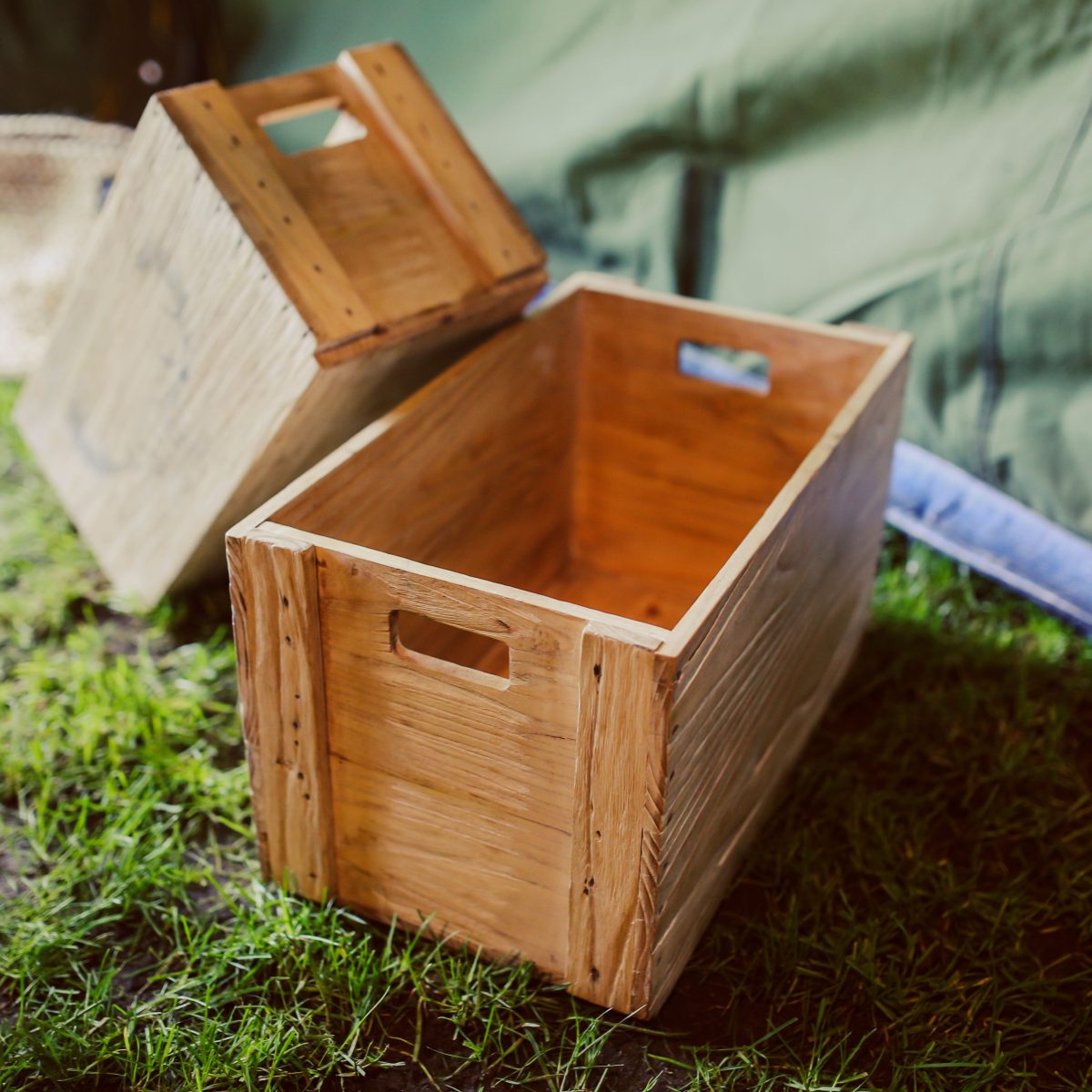
A wooden box is a six-sided container where the walls are completely closed. There are no gaps between the boards. Think of it as a vault for your shipment. This is the “heavy-duty” choice and is usually the most protective option available.
When to choose a custom wood box:
- High-Value Items: If you are shipping electronics, calibrated instruments, or luxury goods, a box keeps prying eyes off the product.
- Dust and Moisture Protection: Because it is fully enclosed, a box protects the interior from road salt, dust, and debris.
- Small Parts: If your shipment includes many small components that aren’t individually secured, a box ensures nothing falls out of a gap during transit.
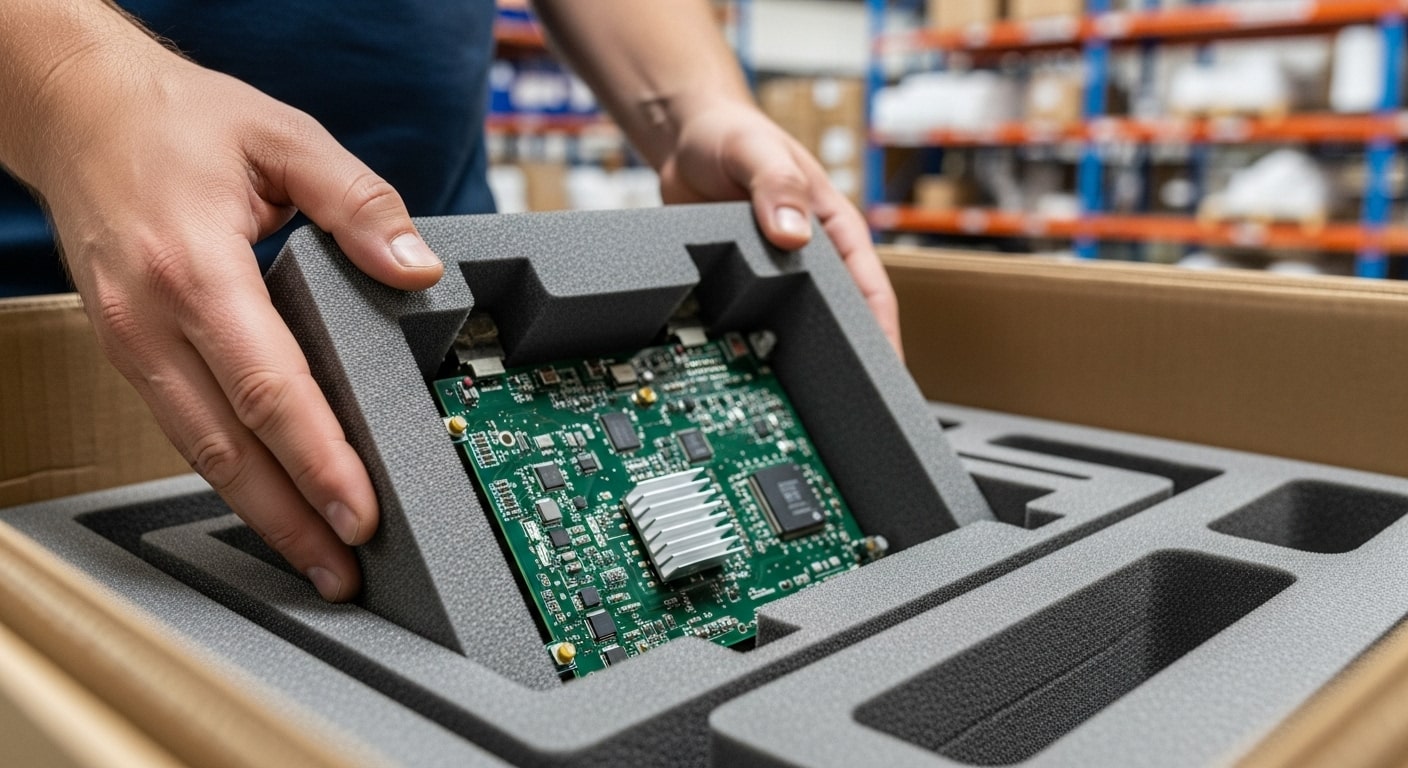
A box is only as good as the protection inside. We utilize specialized internal packaging, including blocking, bracing, and custom foam cushioning to ensure your cargo remains stationary even if the truck hits a massive pothole or the container experiences turbulence at sea.
The Custom Wooden Crate: The Versatile Industry Standard
Technically, a “crate” is defined by its frame. Unlike a box, which relies on its solid walls for strength, a crate gets its structural integrity from a thick wooden skeleton. While crates are often enclosed with plywood or slats, it is the heavy-duty framing that does the heavy lifting.
The Crate Advantage:
The biggest benefit of a crate is its stacking strength. Because of the vertical frame members, crates can be stacked several units high in a shipping container without the walls buckling. This allows you to maximize the vertical space in a truck or ship, potentially cutting your total number of shipments in half.
Crates are the “all-rounders” of the shipping world. They are strong enough for heavy engines but can be light enough for air freight if designed correctly.
Open-Slat Crates: High Visibility and Ventilation
An open-slat crate (sometimes called a wooden cage) is a frame with wide gaps between the boards. You can see exactly what is inside. While it might look “unfinished” to the untrained eye, the open-slat design is a highly strategic piece of packaging.
Why use an open-slat crate?
- Cost Savings: These designs use significantly less lumber than a fully enclosed box, which lowers the material cost.
- Weight Reduction: Since there is less wood, the container is lighter. This is ideal for air freight where every ounce costs money.
- Customs and Inspection: If you are shipping internationally, customs officers often need to see the product. This allows them to inspect the item and read serial numbers without having to pry open the container, reducing the risk of damaging the packaging.
- Ventilation: Some industrial components need airflow to prevent heat buildup or moisture trap.
Comparison Summary: Which One Do You Need?
If you are trying to make a quick decision, use this matrix to guide your choice.
| Feature | Custom Wood Box | Custom Wooden Crate | Open-Slat Crate |
| Best For | Fragile/High-Value | Heavy/Stackable | Sturdy/Industrial |
| Protection Level | Maximum (6-sided) | High (Structural) | Mid (Impact only) |
| Visibility | None (Private) | Partial | High (Easy Inspection) |
| Relative Cost | Highest | Mid-Range | Lowest |
| Air Freight | Heavy | Moderate | Best (Lightweight) |
The Golden Rule of Export:
To comply with international shipping regulations, all wood packaging must be ISPM-15 heat-treated. Express Packing is certified to provide heat-treated lumber that eliminates insects and larvae, ensuring your shipment passes through customs without quarantine or delay. Without this stamp, your shipment can be destroyed at the border.
Partnering with Express Packing for Custom Solutions
At Express Packing, we don’t believe in “standard” sizes. A standard box often leads to “standard” damage. Instead, we offer engineered protection. We look at the center of gravity, the fragility of the surfaces, and the final destination to build a solution that fits like a glove.
Express Packing offers professional on-site crating services for oversized or sensitive equipment. Our fully equipped mobile team travels to your location, bringing the necessary materials and expertise to build your crates directly on your factory floor. This removes the “middle-man” move and ensures your equipment is protected from the very first second it leaves its foundation.
Need a crate built on your factory floor tomorrow?
Our mobile onsite teams come directly to you, ensuring your high-value machinery is protected before it ever moves an inch.
Book Your Onsite Crating Service
FAQ
Is a custom wood box always more expensive than an open-slat crate?
Usually, yes. A box uses more wood to cover all six sides. However, price is relative. If a $500 box prevents a $50,000 damage claim, it is the most cost-effective tool in your warehouse.
Can I use an open-slat crate for international air freight?
Absolutely. In fact, it’s a smart move. As long as the wood has the ISPM-15 heat-treatment stamp, this design is perfect for air freight because it keeps the weight low while providing a rigid frame that protects against bumps and drops.
How do I know if my item needs a custom-engineered crate or a standard box?
If your item weighs more than 500 lbs, has a unique shape, or is top-heavy, you need a custom design. Standard boxes are meant for items with even weight distribution. If your center of gravity is off, the item could break through the side of a standard box during a sharp turn or sudden stop.
Do these containers meet industry safety standards?
Yes. All of our packaging solutions are designed to meet ASTM packaging standards. This commitment to engineering excellence ensures your high-value equipment is protected throughout the global supply chain.
Unsure which wood packaging is right for your next big project?
Let our engineers do the math for you. We will help you choose the right protection at the best price point.