

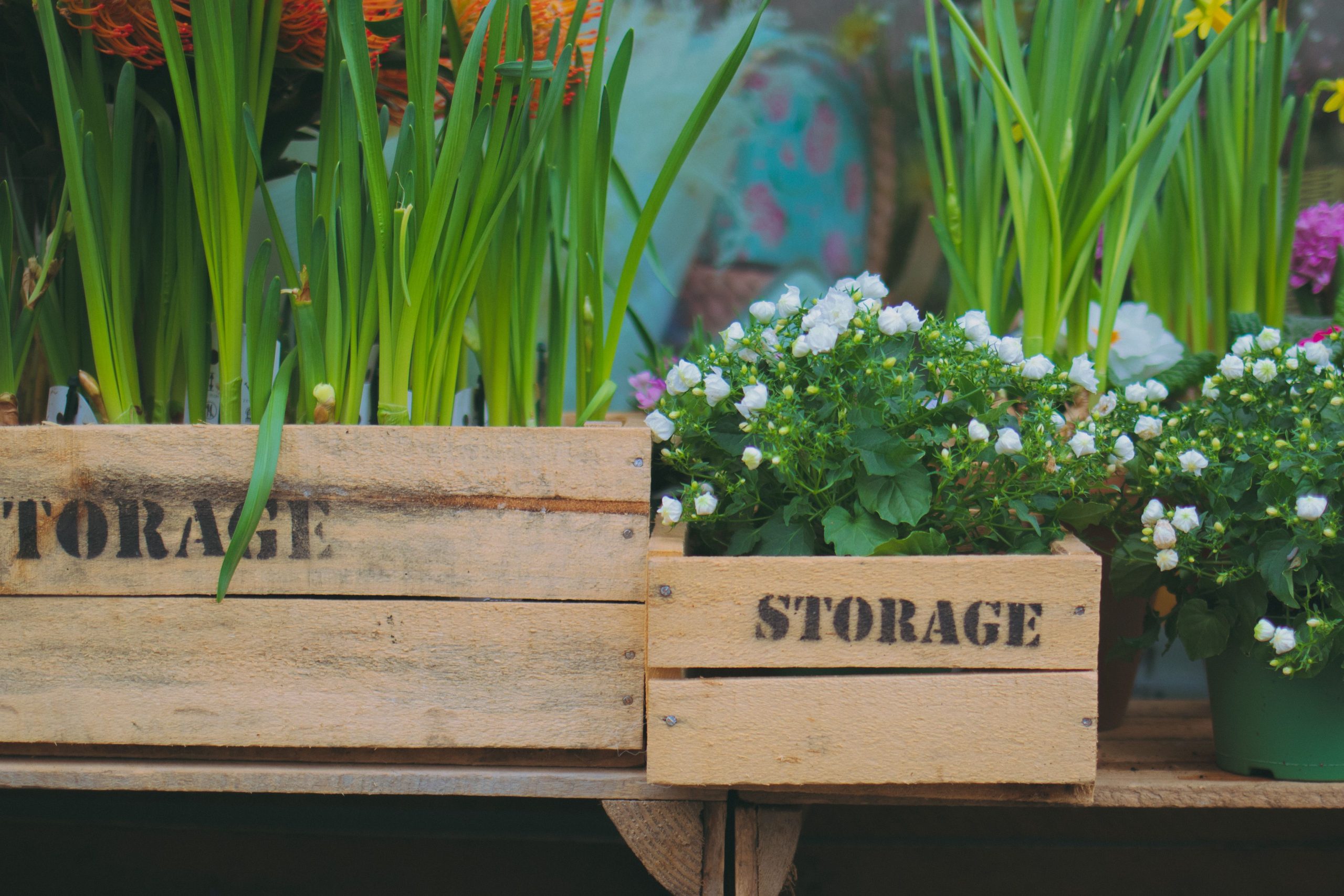
How to Choose Between a Crate, a Pallet, and a Box
When it comes to shipping industrial equipment, parts, or materials, the packaging you choose can make or break your shipment, literally. Crates, pallets, and boxes all serve different purposes, and picking the wrong one can lead to damage, delays, and unnecessary costs. Here is a practical guide to help you choose the right option for your next shipment.
When to Use a Box
Boxes are the simplest and most cost-effective packaging option, but they are best suited for lighter, less fragile items.
- Best for: small parts, components, or products under a few hundred pounds
- Good for: items that do not require heavy structural support
- Limitations: minimal protection against impact, moisture, or crushing in stacked freight
- Ideal use case: replacement parts, small hardware, retail ready goods
If your shipment is lightweight and low risk, a sturdy stock box may be all you need.
When to Use a Pallet
Pallets are ideal for items that need to be moved efficiently by forklift or pallet jack, especially when shipping multiple units at once.
- Best for: uniform, stackable loads such as boxed goods, drums, or bagged materials
- Good for: warehouse efficiency and easy loading or unloading
- Limitations: offers little to no protection from the elements or rough handling unless combined with wrapping, banding, or a cap
- Ideal use case: bulk shipments, palletized inventory, appliance and equipment skids
Pallets are a great foundation, but for anything fragile, oversized, or high value, they usually need to be paired with additional protection.
When to Use a Custom Wood Crate
Crates are the go to solution when your shipment is fragile, heavy, oversized, or headed overseas.
- Best for: sensitive equipment, machinery, electronics, and irregularly shaped items
- Good for: international shipping, since custom crates can be built to meet ISPM15 certification requirements
- Advantages: full structural protection, custom bracing and blocking, and the ability to control moisture and impact exposure
- Ideal use case: industrial machinery, automotive parts, military and government shipments, oversized or overweight equipment
A well built crate is engineered around your specific product, not a generic size, which means less risk of shifting, crushing, or damage in transit.
Quick Decision Guide
Ask yourself these three questions before choosing your packaging:
- How much does it weigh? Heavier or bulkier items typically need a pallet or crate.
- How fragile or valuable is it? Sensitive or high value items call for the added protection of a custom crate.
- Where is it going? International or long distance shipments almost always benefit from crating, especially when compliance certifications are required.
Still Not Sure What You Need?
Choosing the right packaging does not have to be complicated. Our team has spent over 50 years helping manufacturers, OEMs, and government contractors across Indiana and the Midwest choose and build the right packaging for every shipment, from a single crate to large scale plant relocations.
Request a quote today and let us help you find the packaging solution that protects your product and your bottom line.