A 21% damage rate is not a bad luck problem. It’s a process problem.
For one Express Packing customer, more than one in five products shipped was arriving — or leaving — damaged. The costs were real: replacement parts, customer complaints, delays, and the ongoing overhead of dealing with claims that should never have happened.
When Express Packing looked at why, the answer was straightforward: the product was being handled too many times before it was ever packaged.
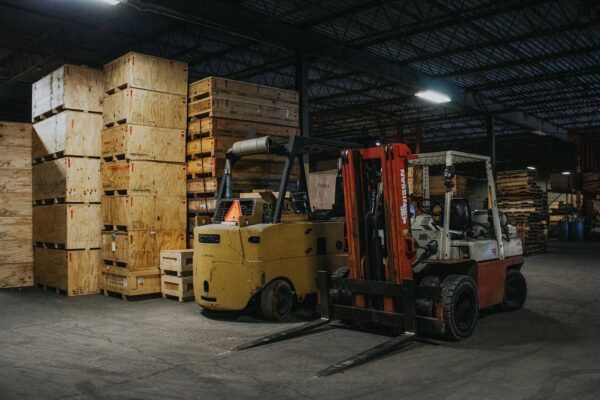
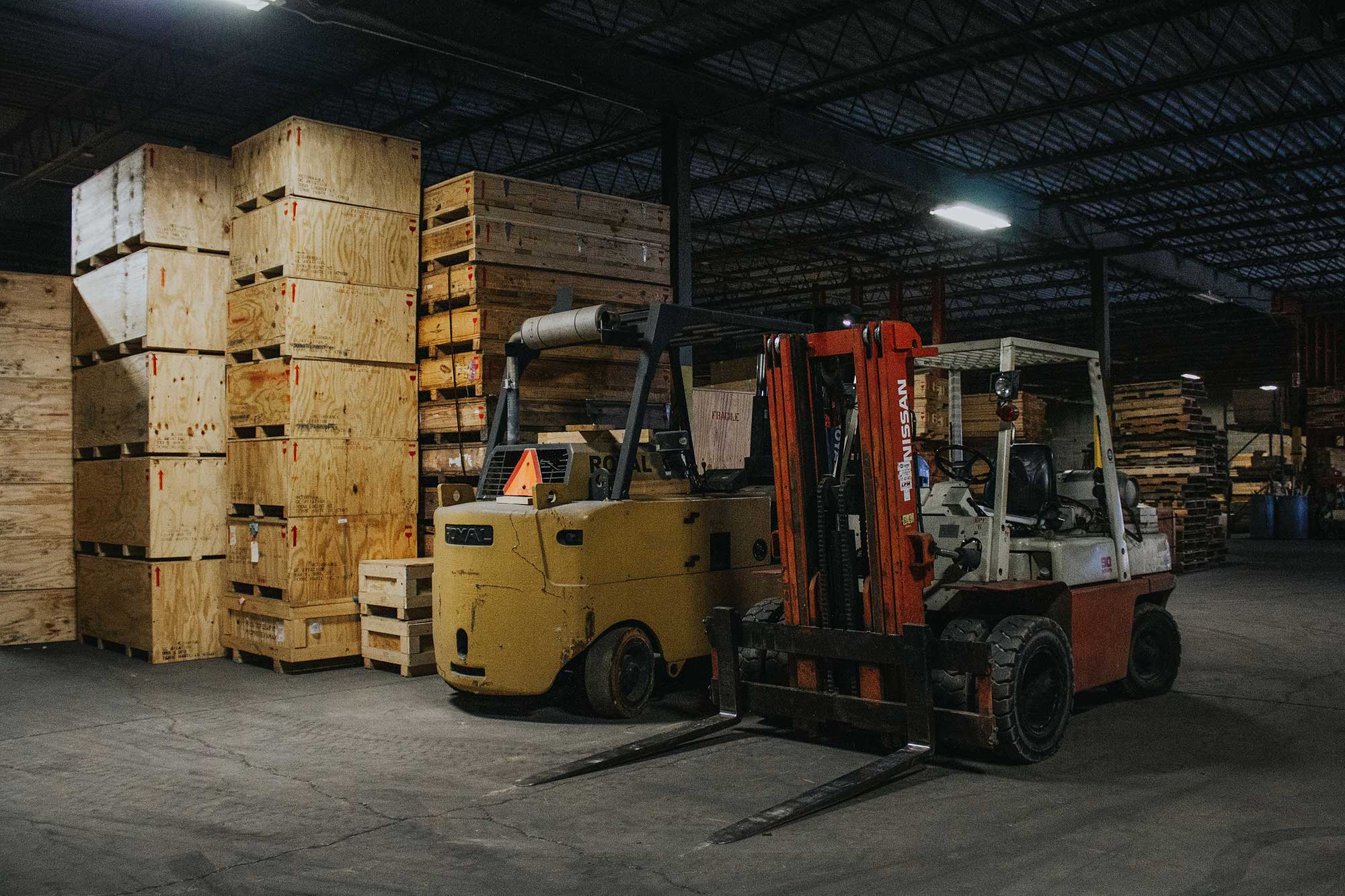
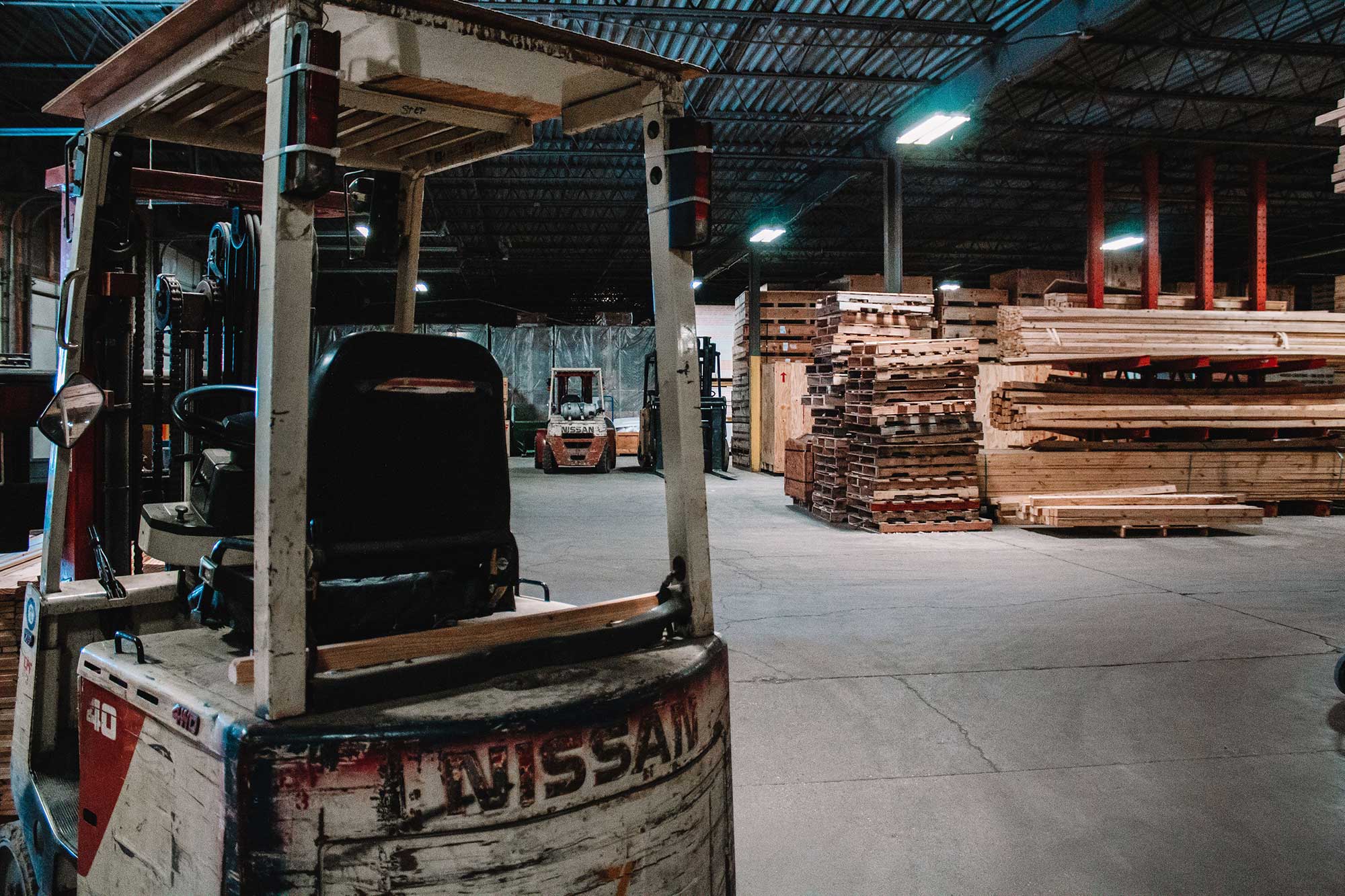
Products moved through the customer’s warehouse — loaded, unloaded, repositioned, staged — all before a crate was anywhere near them. Every time a fork truck touched an unprotected product, there was risk. Every day that product sat on the warehouse floor waiting for a future ship date, it was exposed to incidental contact, movement, and accidental impact. (It’s one of the most common — and costly — packing pitfalls in industrial shipping.)
The packaging came last. The damage happened long before that.
Express Packing didn’t just build better crates. They changed where and when the crating happened.
The solution was a full-service approach built around one principle: get the product protected as fast as possible, and handle it as few times as possible after that.
Here’s what that looked like in practice:
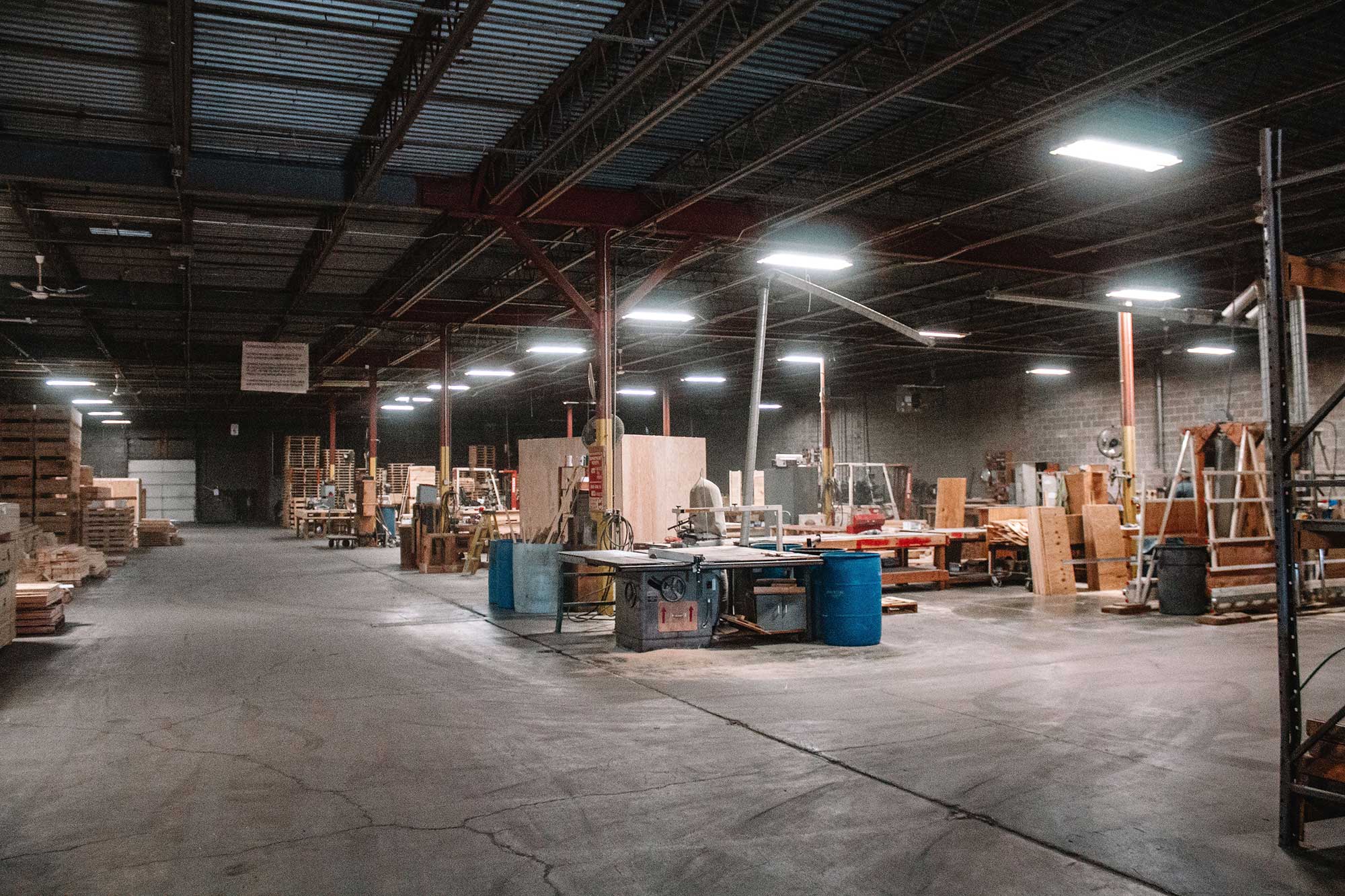
Step 1 — Unload directly at Express Packing’s facility. Rather than product going to the customer’s warehouse first, containers were unloaded at Express Packing. This removed the customer’s warehouse from the damage equation entirely.
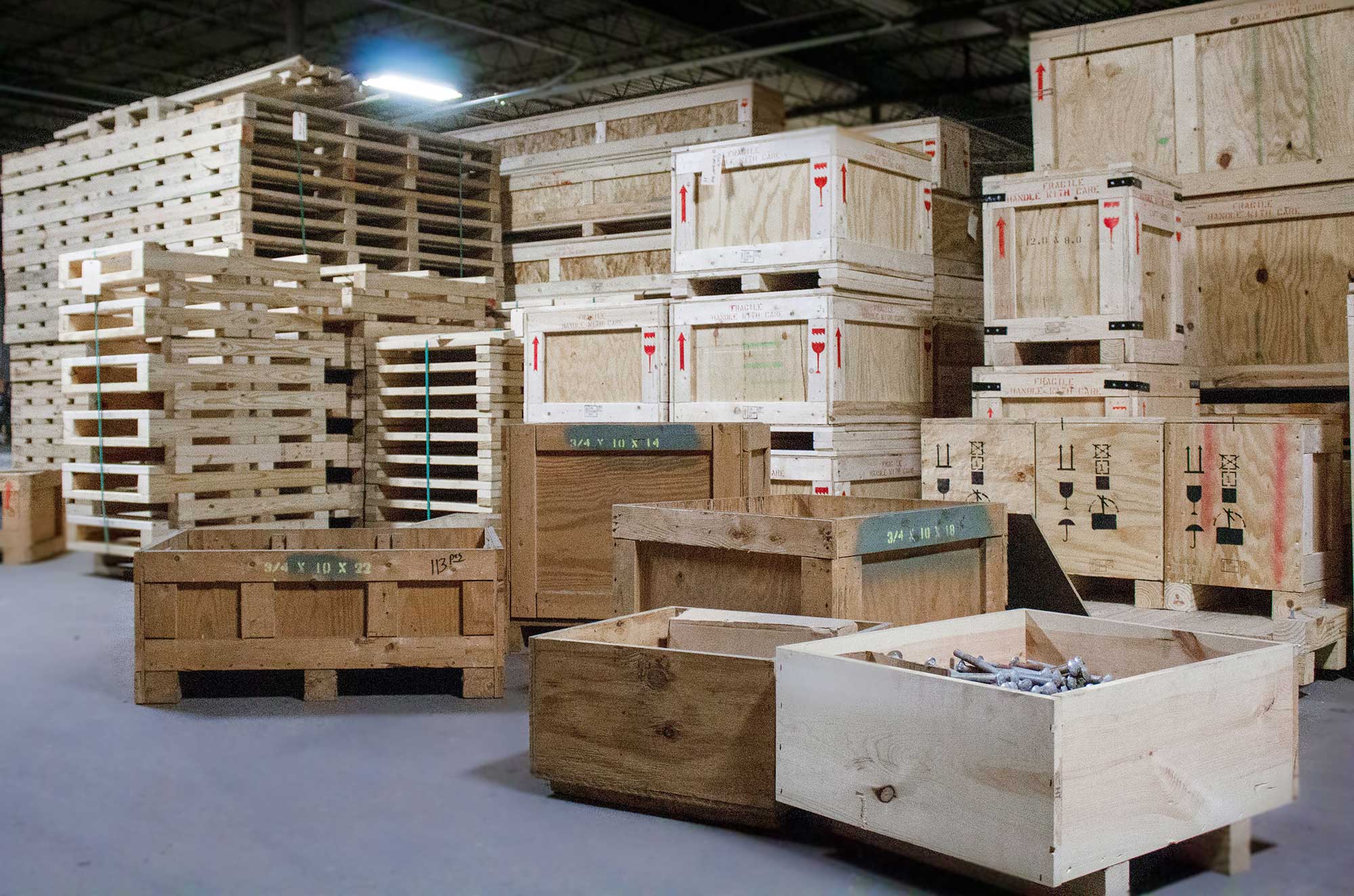
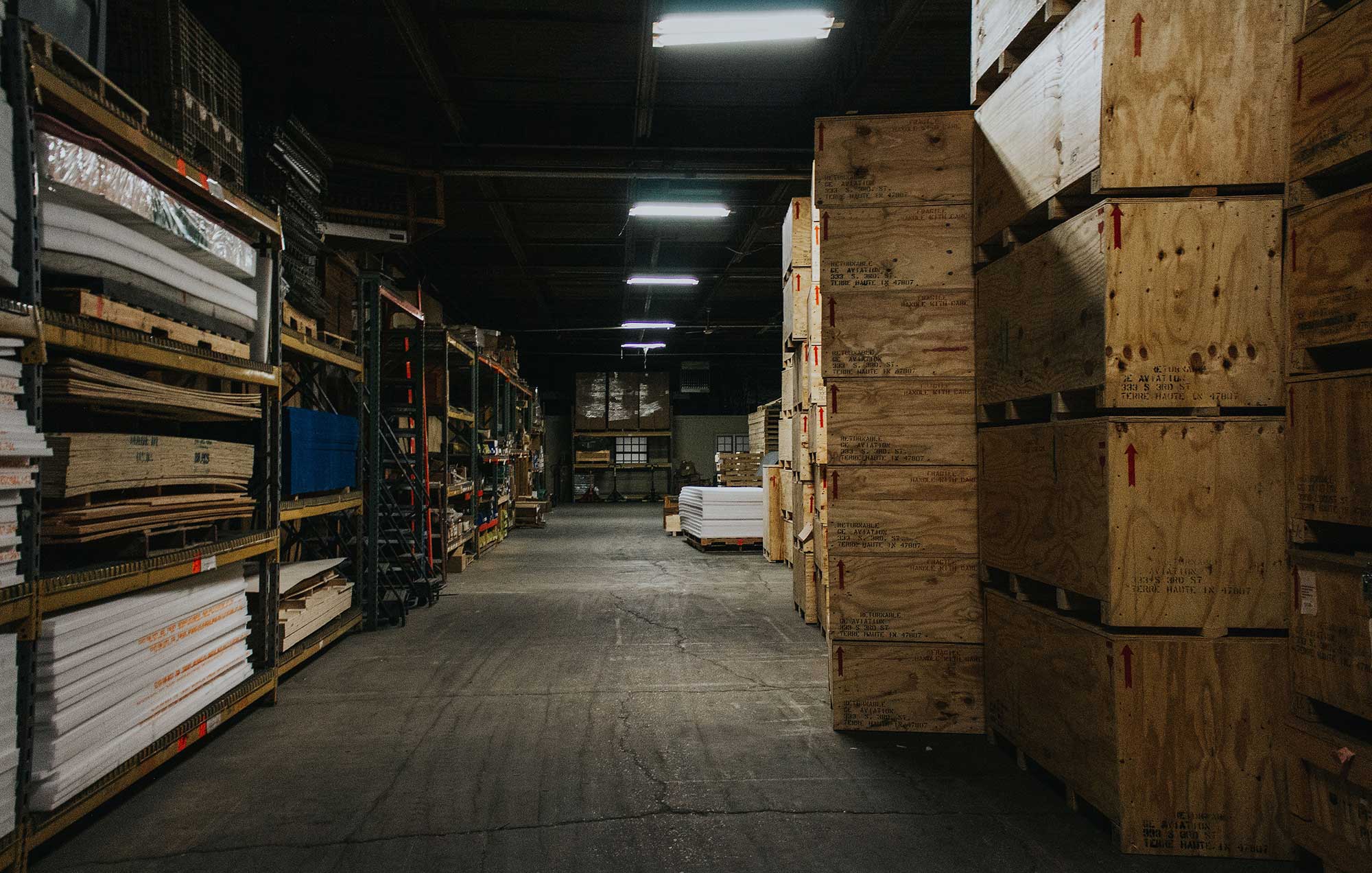
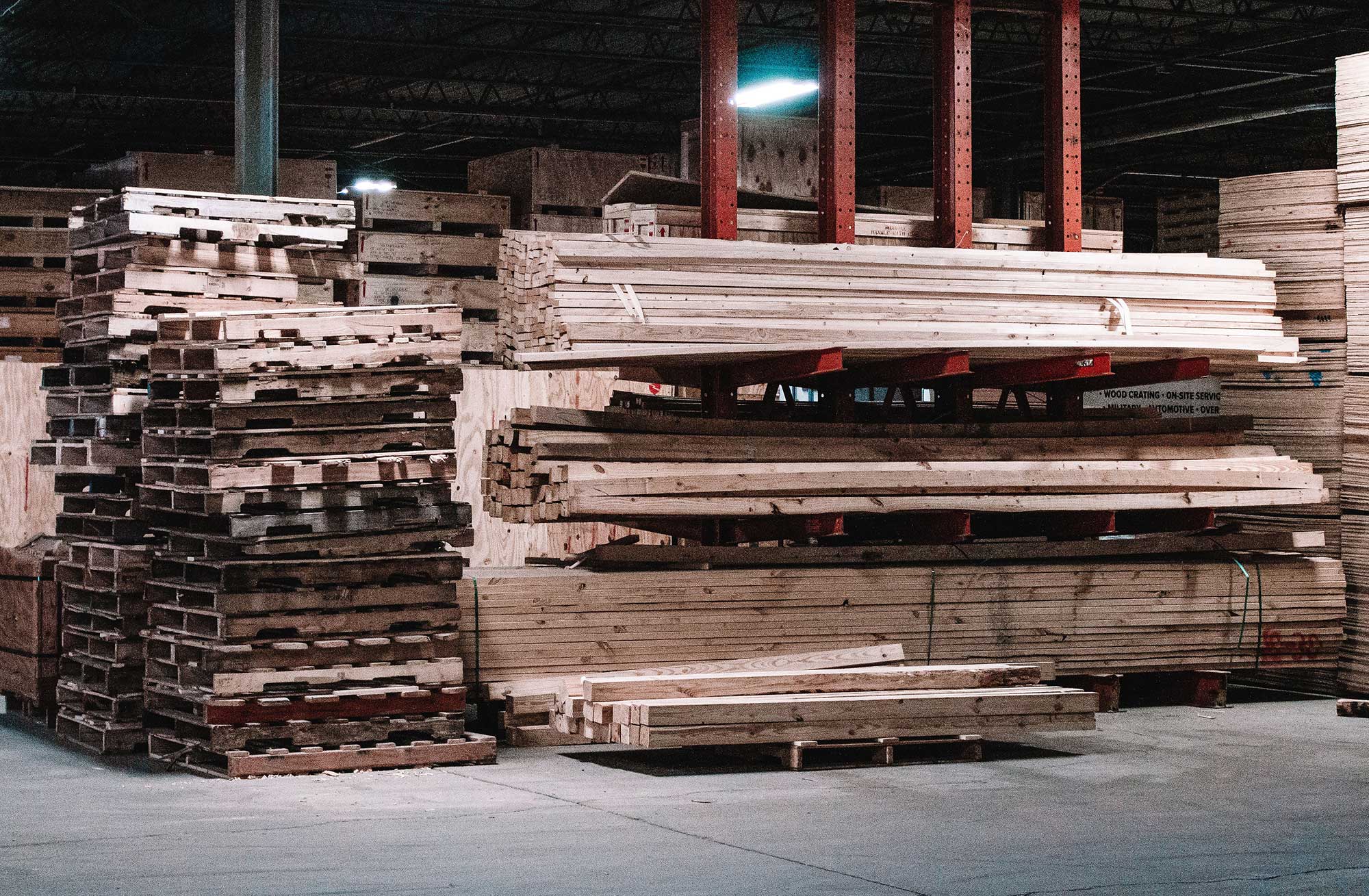
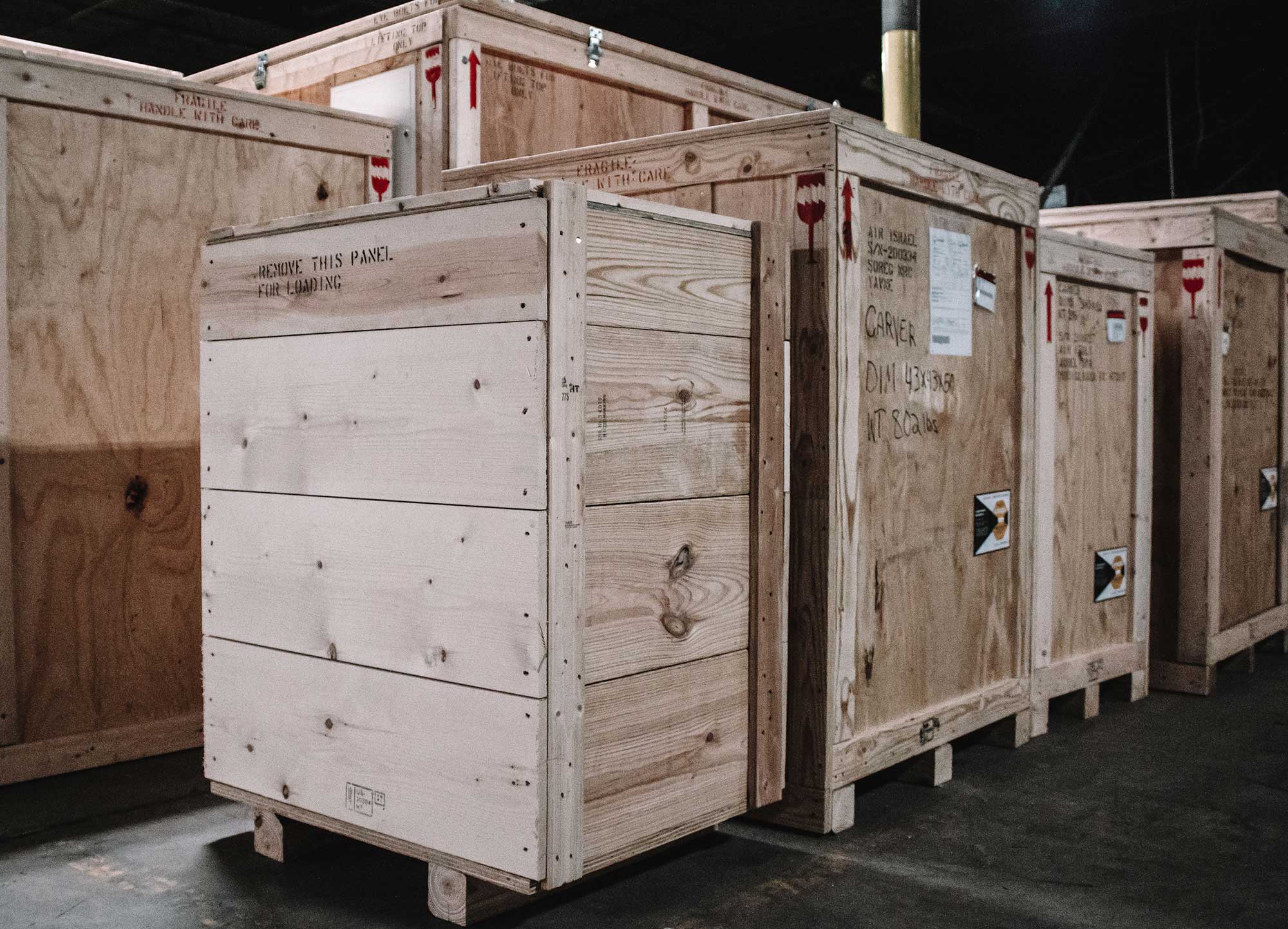
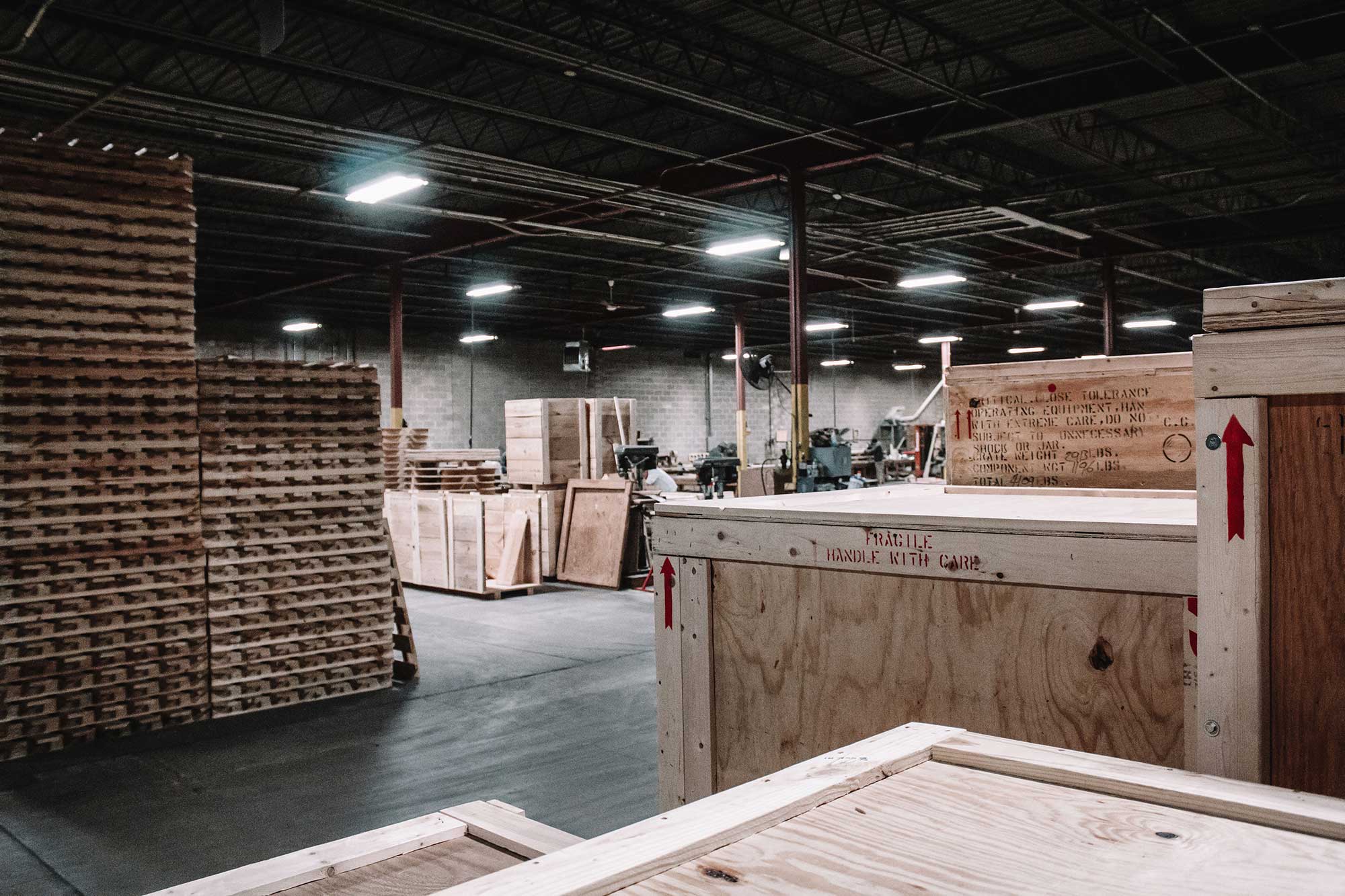
Step 2 — Crate immediately, not later. Instead of waiting for a future ship date, products were crated as soon as they arrived using custom wood crating built to spec. There was no window where unprotected product sat exposed on a floor.
Step 3 — Reinforce the crate bases. Crate bases were rebuilt to better handle the actual weight and handling requirements of the product. Stronger bases meant products were properly supported from the moment they were crated through the full lifecycle of storage and transit.
The result was a fundamentally different workflow — one where the product went straight from container to crate, with no unnecessary stops in between.
Is your facility dealing with last-minute crating pressure? Express Packing’s stocking program is designed exactly for this situation. Contact Express Packing to learn how the program works for your shipping volume and specs.
The impact was significant.
The 21% damage rate dropped dramatically once the handling window was closed. Products that were crated immediately — and supported by reinforced bases — simply weren’t getting damaged anymore.
The customer gained more than just lower damage numbers. Crated products in storage were no longer vulnerable to accidental contact from passing equipment or incidental warehouse activity. Combined with proper preservation, cushioning, and dunnage, the crate became a protective layer that stayed with the product through storage and transit — not just the final shipment leg.
What had been a recurring, costly problem became a solved one.
If your team is absorbing damage claims, replacement costs, or customer complaints tied to how products are handled and packaged, the issue is probably upstream of the packaging itself.
Express Packing works with manufacturers and shippers to identify exactly where in the process damage is occurring — and designs a crating workflow that closes that window for good.
Ready to stop absorbing damage costs? The solution is usually simpler than it looks.
Express Packing provides ISPM15-certified custom wood crating, full-service unloading, and workflow-based packaging solutions for manufacturers and industrial shippers. This case study is one example of how a process change — not just a better crate — can solve a chronic damage problem